Necessary Plumbing Installation Services: How to Opt for the Perfect Plumbing Expert for Your Home
Selecting the right plumbing professional for a home can be a challenging undertaking. Property owners must consider various elements, including qualifications, experience, and pricing. Many miss essential steps, which can result in costly mistakes. Understanding typical plumbing problems and recognizing what to look for in a plumber is vital. What are the important qualities that truly render a plumber reliable? Investigating these factors can significantly impact ongoing upkeep and contentment.
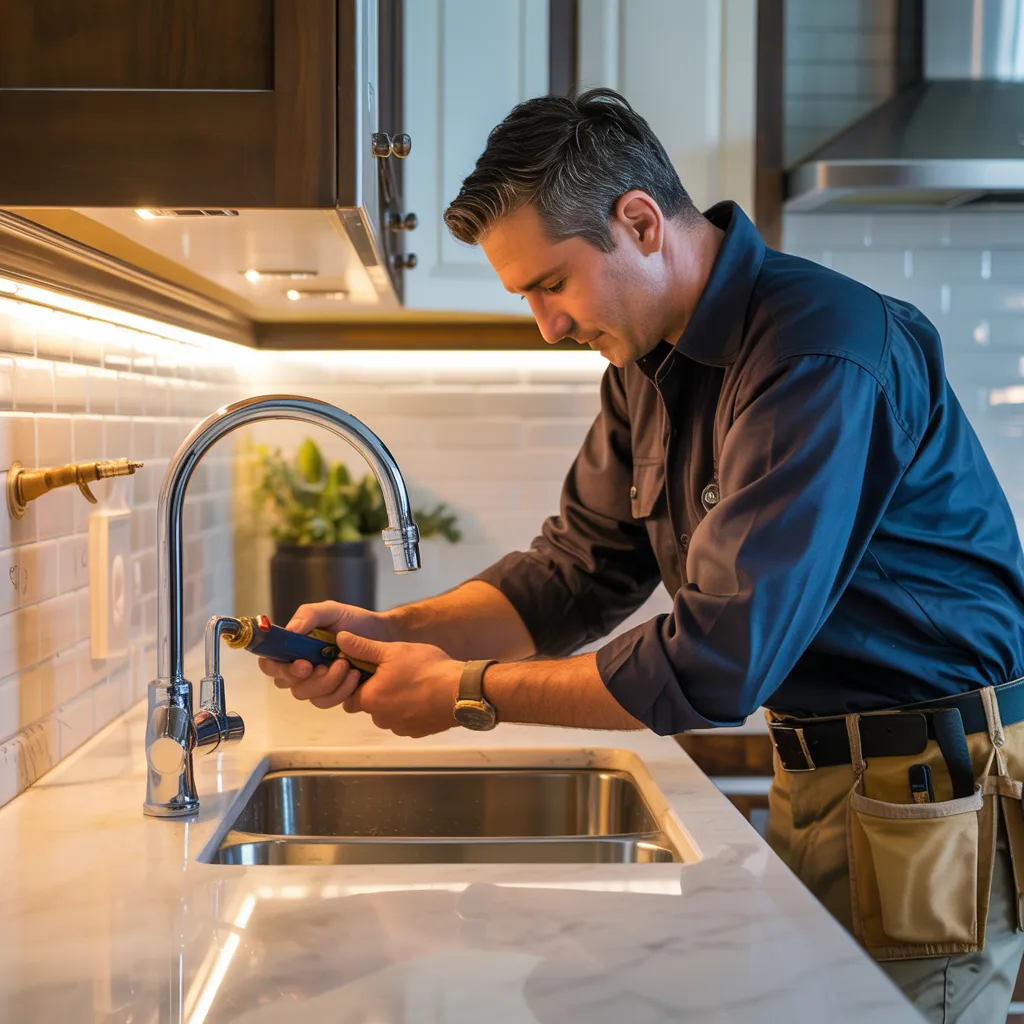
Common Pipe Issues to Be Mindful Of
Numerous residents experience a wide array of plumbing issues that can disrupt daily life. Frequent issues comprise leaky faucets, which not only waste water but also cause higher utility bills. Blocked drains represent another frequent problem, often caused by the buildup of grease, hair, or foreign objects. These clogs can result in slow drainage or even overflow. Additionally, continuously running toilets waste significant amounts of water, often due to faulty flappers or fill valves. Pipe leaks can develop in both visible and hidden locations, potentially causing extensive water damage if left unaddressed. Water heater issues, such as inconsistent temperatures or leaks, can affect comfort and convenience. Finally, low water pressure may indicate a problem with the plumbing system, affecting the overall functionality of fixtures throughout the home. Awareness of these common plumbing issues can help residents take proactive steps to care for their systems effectively.
Vital Skills to Look For in Your Plumbing Contractor
What important credentials should property owners consider when hiring a plumber? First and foremost, proper licensing is critical. A licensed plumber has satisfied local requirements and shows a level of professionalism and expertise. Homeowners should also look for plumbers who maintain sufficient insurance, such as liability coverage and worker's compensation, to safeguard against potential damages or injuries during the job.
Moreover, accreditation from recognized trade organizations can demonstrate a plumber's pledge to lifelong learning and adherence to industry standards. Homeowners should select those with specialized training in targeted plumbing niches, such as residential or commercial plumbing.
Additionally, a strong understanding of local building codes and regulations is vital to guarantee compliance during repairs or installations. Ultimately, excellent communication skills are essential, enabling the plumber to articulate issues and solutions clearly, building trust and understanding between the homeowner and the service provider.
Reviewing a Plumber's Experience and Image
When assessing a plumber's experience and reputation, the number of years in business acts as a vital indicator of reliability and expertise. Furthermore, professional credentials can demonstrate a plumber's commitment to industry guidelines and continuous learning. Together, these factors provide valuable insight into the quality of service one can expect.
Length of Years of Business
A plumber's tenure in the field can greatly influence their experience and reputation within the community. Established plumbers often have a track record that reflects their capacity to manage various plumbing issues effectively. Extended time in the profession typically indicates a commitment to quality service, as these experts have navigated challenges and established connections over time. Homeowners should consider the length of time a plumber has been in business, as this can reveal insights into their reliability and customer satisfaction. Feedback and recommendations from previous customers can further illuminate the plumber's standing in the community. In the end, choosing a plumber with extensive experience can provide peace of mind, ensuring that the job will be completed efficiently and professionally.
Certifications Sector Position
Why do professional certifications enhance a plumber’s professional reputation? Certifications provide proof of a plumber’s capabilities and expertise, demonstrating their dedication to professionalism and conformance with industry standards. Trusted organizations like the Plumbing-Heating-Cooling Contractors Association (PHCC) and the National Institute for Certification in Engineering Technologies (NICET) grant credentials that indicate a plumber’s expertise in specific areas, including installation and repair procedures. These certifications often require ongoing education, guaranteeing that plumbers remain current on the newest technologies and regulations. A plumber holding such certifications is usually more reliable, fostering confidence among homeowners. As a result, when picking a plumber, confirming their certifications can give valuable insight into their qualifications and standing.
Why It's Essential to Get Multiple Quotes From Plumbers
Getting multiple quotes from plumbing professionals is essential for making an informed decision, as it enables homeowners to compare costs, offerings, and qualifications. By collecting estimates from various professionals, homeowners can determine the typical price for particular plumbing work, preventing them from overpaying. Each plumber may provide different service packages, including guarantees, maintenance visits, or urgent assistance, which can greatly impact customer contentment over time.
In addition, getting multiple bids allows homeowners to evaluate the qualifications and skills of each plumber. A diversity of opinions can reveal the quality of service quality and customer service, allowing for a in-depth evaluation. Moreover, this process promotes competition among plumbers, often leading to competitive pricing or extra services. Ultimately, dedicating time to gather multiple quotes provides homeowners with the essential information to choose a reliable plumber who meets their needs and budget effectively.
Critical Points to Inquire When Contracting a Plumber?
When assessing potential plumbers, understanding which questions to ask can greatly influence the selection process. A homeowner should begin by inquiring about the plumber's insurance and licensing status, verifying they meet local regulations and are safeguarded from liabilities. It's also essential to ask about their experience with particular plumbing problems, such as pipe repairs or fixture installations, to gauge their expertise.
Homeowners should obtain testimonials from previous customers to assess the plumber's reliability and quality of work. In addition, discussing guarantee terms on repairs and installations can bring reassurance concerning potential problems. Knowing the fee arrangement is important; homeowners should establish whether the estimate incorporates labor, materials, and potential additional costs. Ultimately, asking about availability windows for crisis situations can help ascertain if the plumber will be on hand when most critical, establishing a trustworthy arrangement for ongoing plumbing maintenance.
Common red flags in Plumbing Services
When choosing a plumbing professional, certain warning signs can indicate possible problems with service quality. Vague pricing models can lead to unexpected costs, while a lack of appropriate credentials raises concerns about professionalism and reliability. Recognizing these red flags is crucial for making an informed hiring decision.
Vague Pricing Arrangements
How can homeowners handle the unclear terrain of plumbing pricing? Unclear pricing structures can be a major warning sign when selecting a plumber. Many contractors neglect to provide clear pricing quotes, leading to surprise expenses and dissatisfaction. Homeowners should be wary of unclear estimates that miss comprehensive itemizations of work, supplies, and extra charges. A trustworthy plumbing professional will provide a detailed, line-item quote before beginning work, ensuring that homeowners understand what they are paying for. Additionally, hidden charges often surface throughout or following the work, highlighting the importance of establishing payment conditions in advance. By emphasizing transparency and clarity in pricing, homeowners can avoid unpleasant surprises and build a more trustworthy relationship with their chosen plumbing professional.
Insufficient Licensing
Homeowners seeking plumbing services may encounter significant concerns due to a lack of proper licensing. Licensed plumbers are required to fulfill specific training and regulatory criteria, making sure they have the essential abilities and knowledge. If a plumber cannot show proof of licensing, it might point to insufficient training or a neglect to follow industry regulations. This noncompliance can lead to subpar work, causing high repairs or safety risks. Homeowners should be careful about any plumbing service that does not easily provide licensing information. Checking a plumber’s credentials via local licensing boards can help prevent potential problems. In the end, selecting a licensed professional boosts the chances of excellent workmanship and peace of mind for homeowners.
Developing a Strong Connection With Your Plumber
Establishing a robust rapport with a plumber can substantially enhance the quality of service provided. Effective communication is key; residents should articulate their worries clearly and pose queries when required. This builds a climate of trust, permitting the plumber to grasp the unique needs of the dwelling.
Furthermore, treating the plumbing professional with respect and professionalism can lead to better service outcomes. Simple gestures, such as providing drinks during extended work, can create goodwill. Homeowners should also be conscious of timing and grant entry to work areas, which can facilitate smoother operations.
Furthermore, consistent service contracts can reinforce the relationship, ensuring the plumber is familiar with the home's plumbing system. consult article Ultimately, providing feedback, whether positive or constructive, assists plumbers improve their services and creates a collaborative dynamic. Maintaining open lines of communication ultimately advantages both parties, leading to reliable, high-quality plumbing solutions.
Common Inquiries Posed
How Do I Identify if My Plumbing Issue Is an Emergency?
A plumbing issue is considered an urgent situation if it involves uncontrollable leaks, sewer backups, or substantial water harm. Prompt action is required to prevent additional problems and guarantee safety and functionality within the residence.
What actions should I take before the plumbing contractor comes there?
Prior to the plumber's arrival, the homeowner ought to remove items around the plumbing issue, obtain pertinent information about the problem, and turn off the water supply if necessary to minimize additional problems and assist in fixing.
Should Pipe Warranties and Guarantees be Regarded?
Plumbing warranties or guarantees are essential as they furnish confidence of professional workmanship and quality products. They guard homeowners from unforeseen costs, ensuring that corrective work or substitutions are included if troubles happen after the service ends.
Can I handle small Plumbing Repairs Myself?
Yes, minor plumbing repairs can often be handled by homeowners. Basic tasks like repairing leaks or clearing drains need simple tools and a little instruction. However, caution is advised to prevent creating additional problems.
What Interval Is Ideal for Plumbing Maintenance Scheduling?
Annual maintenance should preferably be scheduled for plumbing. Regular inspections identify potential issues early on, ensuring efficient operation and minimizing the chance of costly repairs. Homeowners benefit from proactive upkeep that will extend the lifespan of plumbing systems.